-
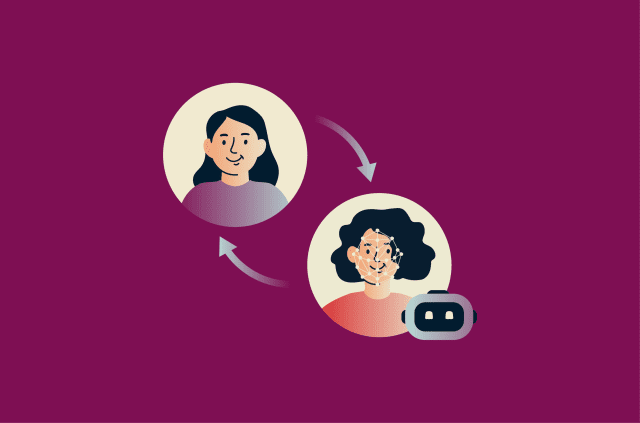
What is a deepfake? Meaning, risks, and how to spot one
A deepfake is synthetic media (images, audio, or video) created using artificial intelligence (AI) with the goal of making it appear real and authentic. These systems learn from large datasets and can...
-
Are digital wallets safe? What to know before using one
Digital wallets are generally safe to use. Most reputable digital wallets include advanced security features designed to protect user data and transactions. Still, no payment method is completely risk...
-
How to block an email address in Outlook: Step-by-step guide
Unwanted emails can quickly take over your inbox. Some are harmless but annoying, such as marketing messages and newsletters you no longer read. Others are more serious, including spam and phishing em...
-
Secure enclave explained: How it keeps your data private
Sensitive information isn't only at risk when it's stored or transmitted. Data can also become vulnerable while it's actively being processed, especially if attackers gain access to the OS or other pr...
-
DDoS attack tools explained: Risks, warning signs, and ways to stay protected
Denial-of-service (DoS) and distributed denial-of-service (DDoS) attacks are significant cyber threats capable of taking down websites, overwhelming networks, and costing organizations hundreds of tho...
-
What is a safe username? How to create one that protects your privacy
Usernames often look like simple account labels, but they can carry more identity value than expected. A careless choice can make a profile easier to interpret outside the platform where it first appe...
-
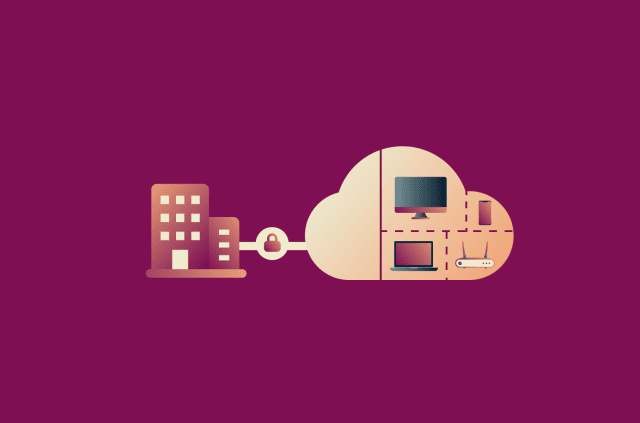
VPN vs. VLAN: Key differences, benefits, and use cases
A virtual private network (VPN) and a virtual local area network (VLAN) may sound similar, but they serve different purposes. Both can help organizations manage network traffic and improve security, y...
-

The new Meta rule explained: Can Meta use your photos without permission?
Meta doesn’t automatically get access to every photo on your phone. Photo access usually depends on what you upload, the permissions you grant, or whether you turn on a feature that uses your camera...
-
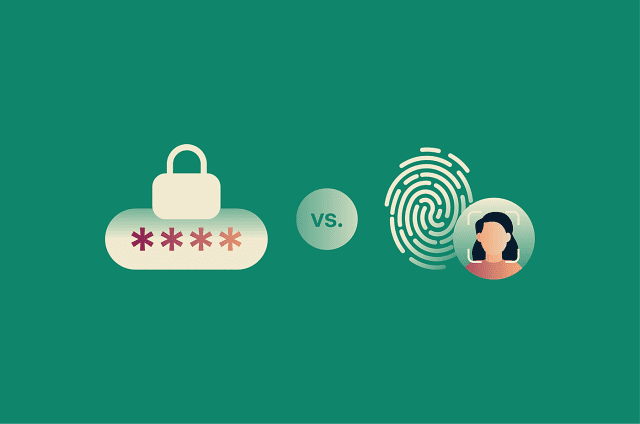
Passkey vs. password: Which is safer for your digital identity?
For years, passwords have been the default way to protect online accounts. But as cyberattacks become more sophisticated and passkeys gain support from major tech companies, authentication is changing...
-
Free and open-source software (FOSS): What it means for security, privacy, and control
Free and open-source software (FOSS) is used in many of the tools you use every day. Browsers, operating systems, and encryption tools often rely on code that anyone can inspect, modify, and share. Th...
Featured