-
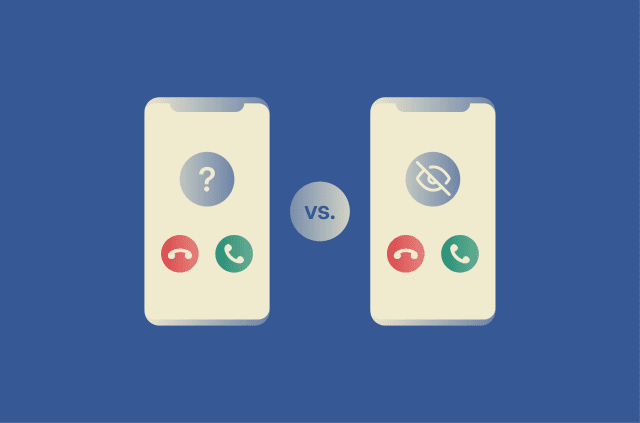
Unknown Caller vs. No Caller ID: What's the difference?
Unknown Caller or No Caller ID may seem like the same thing, but they’re not. That difference matters when you’re deciding whether to answer. Unknown Caller generally means the caller's informatio...
-

Netflix scams: How to spot fake emails, texts, and billing alerts
A text says your Netflix payment failed. An email warns your account will be suspended tonight. A pop-up on your TV tells you to call support immediately. These are all common Netflix scams. The messa...
-
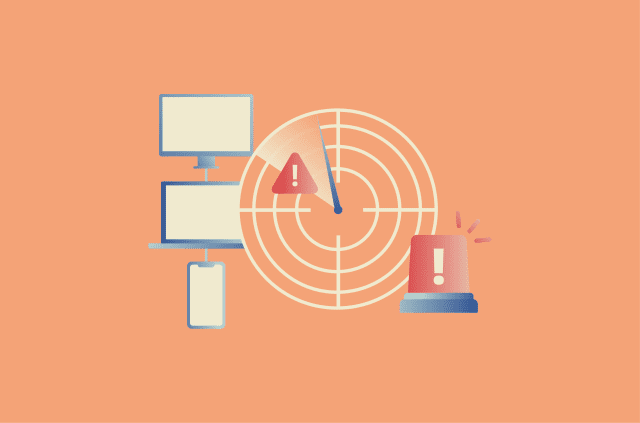
Intrusion detection system: Detect threats before they disrupt your network
When responding to cybersecurity incidents, time can be an important factor. Spotting suspicious activity early may help security teams investigate faster and limit the impact of an attack. Intrusion ...
-

ExpressVPN joins the FIFA World Cup 2026™ as an Official Supporter
ExpressVPN is heading to the world’s most-watched tournament, with LED pitch-side branding at matches, a ticket sweepstakes that could put fans inside the stadiums, and a Times Square Digital Takeov...
-

Cloud data platform explained: Benefits, use cases, and how to choose one
As organizations collect more data from a wider variety of sources, they need systems that can bring information together and make it usable at scale. Cloud data platforms address this need by providi...
-
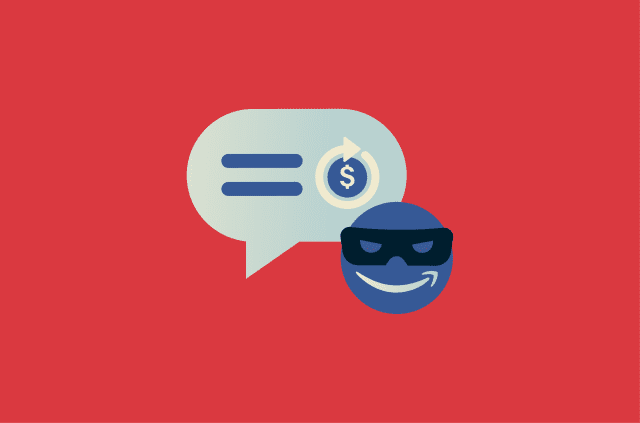
Amazon refund text scam: How to stay safe from fake refund messages
An Amazon refund text can seem like good news, especially if it says you’re owed money for a recent order. But some of those messages are fake, sent by scammers who use refund claims to collect logi...
-
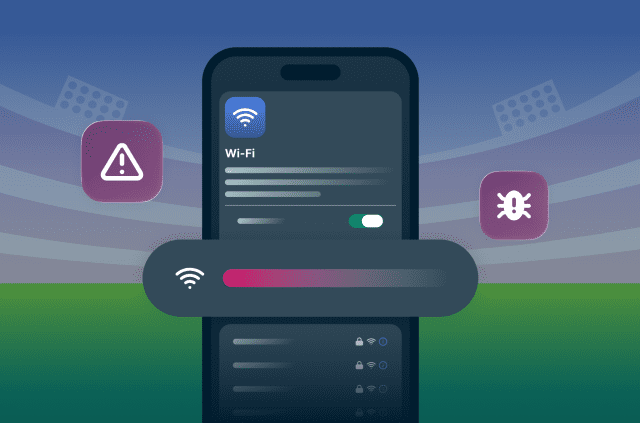
Survey: The 2026 World Cup Wi-Fi trap—how a familiar venue name fools 7 in 10 football fans
A new ExpressVPN survey of 6,000 football fans across six countries finds more than 70% would trust public Wi-Fi by name alone, leaving them exposed at the 2026 World Cup. Modern football fandom is no...
-

Is Mercari safe? What buyers and sellers should know
Mercari is a legitimate online marketplace used for buying and selling goods. However, like many peer-to-peer (P2P) marketplaces, it can be targeted by scammers who attempt to exploit users through fr...
-
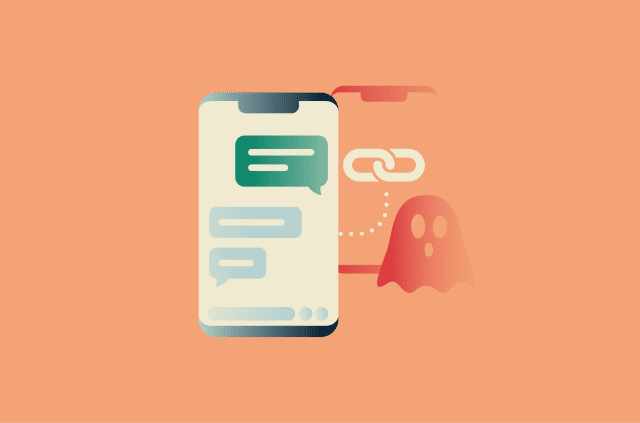
Ghost pairing on WhatsApp: How the scam works
Ghost pairing is a reported social-engineering technique that targets WhatsApp's Linked Devices feature. It involves attackers tricking victims into linking a device controlled by the scammer to their...
-

How do scammers get your information? The real tactics behind fraud
Scammers use a mix of long-standing and evolving tactics to obtain personal information. Sometimes the goal is straightforward, such as stealing banking credentials or credit card details. But attacke...
Featured