

What is digital citizenship, and why does it matter?



The internet is a shared environment used for work, learning, commerce, entertainment, and social interaction. Digital citizenship is a framework that defines the rights, responsibilities, and expected conduct of people who participate in digital platforms and online communities.
This guide explores why digital citizenship matters and how digital literacy, respectful communication, privacy awareness, and cybersecurity practices support responsible technology use.
What is digital citizenship?
Digital citizenship describes how people use technology, interact with others online, and manage information in connected environments.
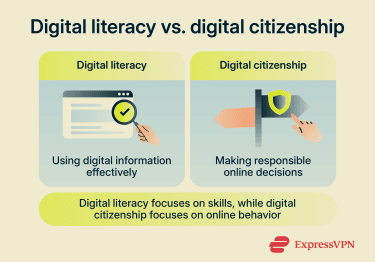
While digital literacy focuses on finding, evaluating, and using digital information effectively, digital citizenship is broader, encompassing ethical participation, privacy awareness, and responsible use of online services and platforms.
These responsibilities are often grouped into three broad areas:
- Safety: Protection of devices, accounts, and personal information.
- Ethics: Respectful treatment of other people and their content.
- Literacy: Ability to evaluate, interpret, and use information accurately.
Why digital citizenship matters
Digital citizenship influences how people participate in online communities. Below are some of the key reasons it matters.
Supporting information quality
False or misleading content can distort understanding and reduce trust in digital communication. Misleading claims may also spread rapidly when highly engaging material receives greater visibility through feeds, recommendations, and resharing.
Responsible technology use includes evaluating and sharing information carefully to help reduce the spread of inaccurate or deceptive content.
Encouraging respectful online interaction
The perceived distance created by screens and anonymous accounts can sometimes reduce accountability for harmful behavior. This may discourage participation, weaken trust, and reduce the quality of discussions within these spaces.
Constructive communication can support healthier discussions, more inclusive participation, and stronger online communities.
Managing digital footprints
Online activity, including posts, comments, profile details, and shared media, can contribute to a large digital footprint. Some of this material may remain accessible through search engine indexing, screenshots, archives, or resharing, even after the original content is removed.
Digital content may influence how individuals are perceived by schools, employers, organizations, and the general public. In some situations, it may also affect relationships, reputation, or future opportunities.
Digital citizenship involves considering the offline consequences of online activity, including effects on reputation, relationships, education, employment, and personal safety.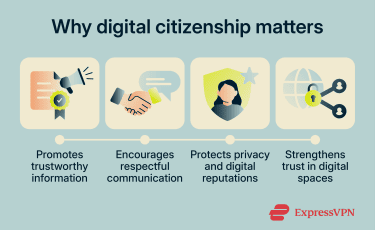
Trust in digital commerce
Banking, shopping, subscriptions, and other internet-based services rely on trust between users, platforms, and providers. Fraud, scams, and misuse of digital content can reduce confidence in these systems and make people less willing to engage with them.
Safer use of online services depends partly on risk awareness, responsible conduct, and respect for digital ownership and platform policies.
Understanding personal data privacy
Many apps, websites, and connected services collect personally identifiable information and other sensitive data for advertising, analytics, and personalization. Although many free services rely on data collection, the way information is collected, shared, and used isn’t always clear to users.
Understanding how personal data may be collected, stored, shared, exposed, or misused can support more informed decisions about permissions, privacy settings, and platform use.
Key digital citizen practices
The following practices can help promote safer, more informed, and more respectful online interactions.
Digital literacy and information evaluation
False, misleading, or manipulated content can spread quickly across social media, messaging apps, search results, and forums, often before it has been checked or corrected.
Digital literacy means looking at online information with a critical eye. Before sharing a claim, check where it came from, whether the source is credible, and whether other reliable sources are reporting the same thing.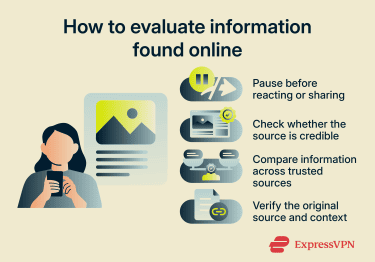
It also helps to understand how algorithms shape what we see online. Search engines, social platforms, and recommendation feeds may prioritize content based on engagement, not accuracy. This can create filter bubbles, where people are repeatedly shown content that reinforces their existing views. Seeking out reputable sources, reading beyond headlines, and comparing different perspectives can help reduce the risk of being misled.
Respectful online communication
Digital communication often lacks tone, facial expressions, and immediate feedback, which can increase the likelihood of misunderstandings during online interactions.
Respectful communication involves using clear language, staying relevant to the discussion, and avoiding insults, harassment, or unnecessary escalation. These behaviors help support more constructive and respectful conversations.
It also involves recognizing that online interactions affect real people, even when digital communication feels impersonal or anonymous. Standards of respectful behavior online should not differ significantly from expectations in offline interactions.
Responsible use of digital content and personal information
Respecting privacy involves recognizing that personal information, images, conversations, and location details shouldn’t be shared without permission. Sharing information involving another person may expose details they didn’t intend to make public.
Responsible digital behavior also includes respecting ownership of creative work and published material. Content that is publicly accessible online isn’t necessarily free to copy, reuse, or distribute without permission. Responsible use includes following licensing requirements, giving credit where required, and avoiding unauthorized copying, modification, or redistribution.
Responsible online posting
Posts, comments, and shared media can sometimes reach audiences beyond their original context or intended recipients. This broader loss of context is sometimes referred to as "context collapse," where material intended for a limited audience becomes visible to a much wider group. Material shared casually within one group may later be interpreted differently by employers, schools, strangers, or broader public audiences.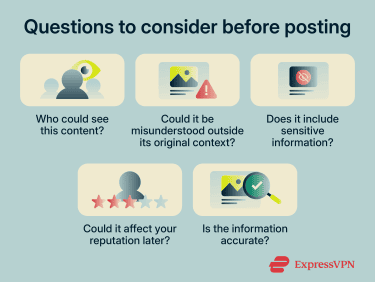
Reviewing content before posting can help reduce misunderstandings, privacy issues, and unintended exposure. Important considerations include whether the content is accurate, appropriate for the audience, and likely to be understood correctly outside its original setting.
Related: How to blur a photo on iPhone and protect your privacy online
Healthy digital habits
Many apps and websites use features such as notifications, autoplay, and personalized recommendations to encourage continued engagement. Over time, these features can promote habitual checking and may interfere with attention to offline responsibilities and interactions.
Excessive screen time, constant notifications, and late-night device use may affect sleep quality, concentration, rest, and in-person communication. As such, digital citizenship involves using technology intentionally and maintaining a balance between online and offline activities.
Responsible use of AI tools
AI tools can support research, writing, translation, and productivity, but they can also produce inaccurate or misleading information. Claims should be checked against reliable sources, and private or sensitive information shouldn’t be entered into tools unless users understand how that data may be processed. Responsible use also means avoiding impersonation, plagiarism, or the creation of misleading content.
How digital citizenship supports online safety
Digital citizenship also includes understanding how behavior, decisions, and online activity can affect privacy, security, and exposure to online threats. Safer practices can help reduce risks such as phishing, fraud, and unauthorized access to personal information.
Privacy and personal data protection
Photos, documents, and other shared content may expose personal information such as locations, routines, or device details through embedded metadata. Limiting unnecessary sharing and reviewing privacy-related settings can help reduce this type of exposure.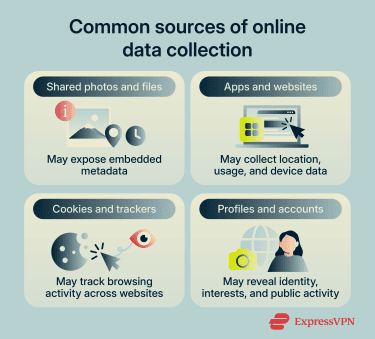
Online services may also collect data through cookies, app permissions, and account activity. Reviewing privacy settings and what information websites and apps can access are important parts of protecting personal data online.
Common privacy practices include:
- Using a virtual private network (VPN): A VPN encrypts internet traffic, which can help reduce monitoring of browsing activity by internet service providers (ISPs) and advertisers.
- Reviewing app permissions: Access to the camera, microphone, location, contacts, or files should align with the app’s purpose and be removed when unnecessary.
- Limiting online tracking: Privacy-focused browsers and extensions can help reduce third-party tracking and data collection.
Read more: What are third-party cookies?
Online account security
Online accounts often contain personal information, financial details, private messages, and access to other connected services. Protecting these accounts is an important part of staying safe online.
Common account security practices include:
- Using strong, unique passwords: Long passwords or passphrases for each account can help reduce the impact of password reuse and data breaches. Password managers can help create and store unique credentials across multiple accounts.
- Enabling multi-factor authentication (MFA): Additional verification steps, such as authenticator apps or hardware-based verification, can help prevent unauthorized access if a password is compromised.
- Reviewing recovery information: Recovery email addresses and phone numbers should remain up to date so accounts can be restored if access is lost.
- Monitoring account activity: Login history and signed-in devices can help identify suspicious or unfamiliar access attempts.
Read more: Cyber hygiene best practices for staying secure online
Phishing, scams, and deceptive content
Digital citizenship also involves recognizing misleading, manipulative, and fraudulent behavior. Many scams and phishing attempts rely on social engineering techniques that exploit urgency, fear, impersonation, or deception to influence decisions and actions.
Fraudulent messages and websites may imitate legitimate organizations, services, or individuals to appear credible. As such, links, QR codes, downloads, attachments, and unexpected offers should be reviewed carefully before they’re opened, trusted, or responded to.
Requests involving passwords, verification codes, payment details, or other sensitive information should be treated with caution, particularly when they’re unexpected or designed to pressure quick responses.
Responses to unsafe online situations
Responding appropriately to phishing attempts, account compromise, harassment, impersonation, or privacy violations can help reduce further harm and exposure.
Responses may involve securing affected accounts, changing passwords, enabling stronger account protections, and contacting the relevant platform, organization, or financial institution when necessary.
Situations involving harassment, impersonation, or misuse of personal information may also require preserving relevant evidence to support moderation, reporting, or recovery processes.
How parents and teachers can support digital citizenship
Digital citizenship develops over time as technology, online behavior, and internet culture continue to evolve. Parents and teachers can support this process through ongoing guidance, discussion, and age-appropriate education.
Important forms of support include:
- Explaining why online behavior matters: Discussions of misinformation, privacy, respectful communication, and platform algorithms can help build awareness of digital risks and responsibilities.
- Using real examples and discussions: Practical examples can help explain consequences and encourage more thoughtful decision-making in different situations.
- Encouraging open communication: Questions, concerns, and mistakes should be discussed openly without fear of overreaction or punishment.
- Modeling responsible technology use: Adults can help reinforce respectful communication, privacy awareness, and balanced technology habits through their own behavior and everyday technology use.
Read more: How to help kids outsmart social media algorithms
FAQ: Common questions about digital citizenship
Why is digital citizenship important?
What is a digital footprint?
Why is online privacy important?
How can students stay safe on social media?
How can you tell if information online is trustworthy?
Explore the web with greater privacy
Get ExpressVPNSign up today for a chance to win FIFA World Cup 2026™ tickets.