Expressvpn Glossary
Private cloud storage
What is private cloud storage?
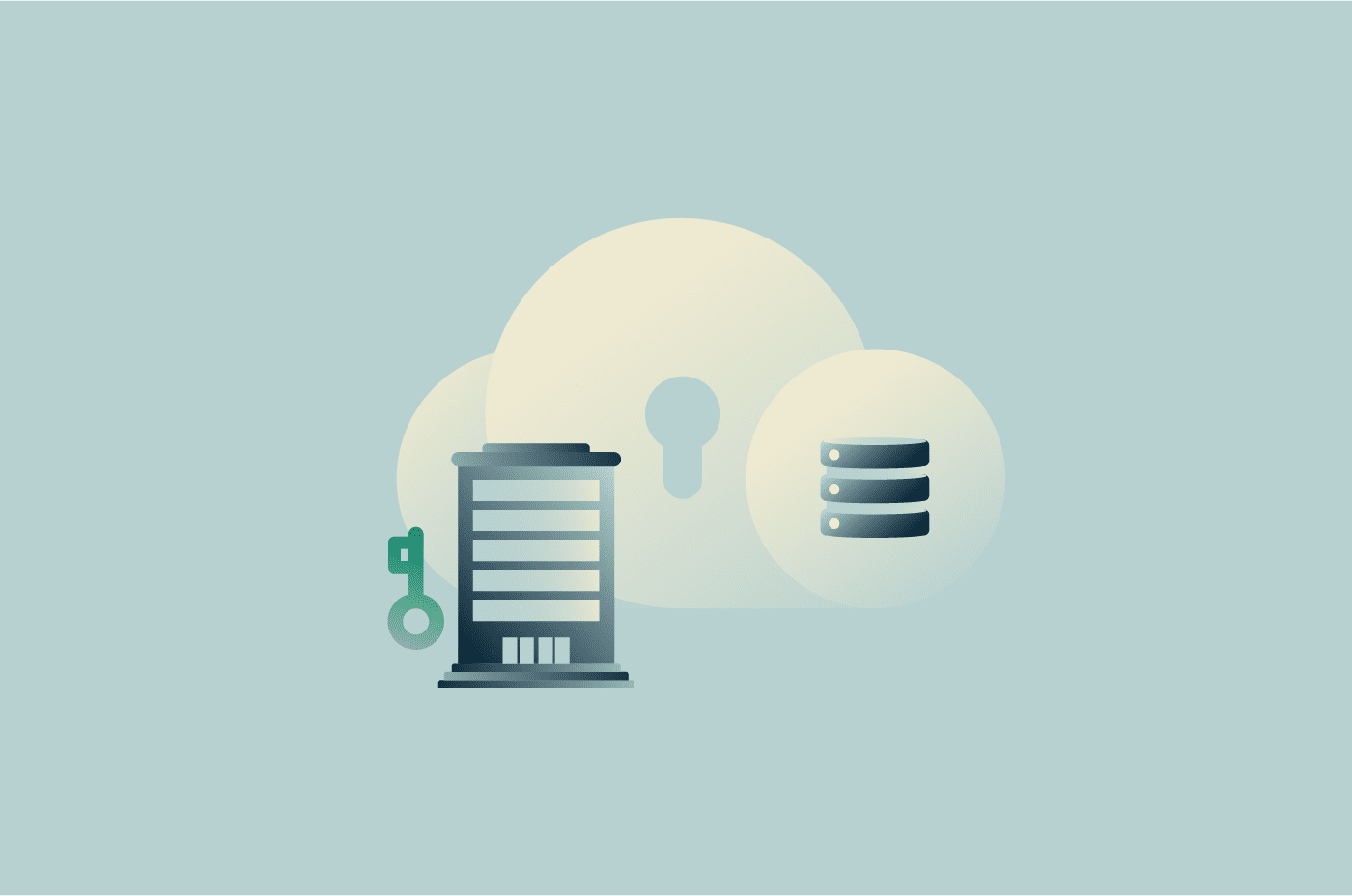
Private cloud storage is a cloud storage model that provides on-demand access to a storage resource pool reserved for a single organization, typically through self-service provisioning and automation that can reduce day-to-day manual intervention. It may be owned, managed, or operated by the organization, a third-party provider, or a combination of both. It may exist on premises or in a provider-hosted environment.
Private cloud storage is designed to scale as needs change. Storage capacity can be increased as required, and access is typically available when needed.
How private cloud storage works
A private cloud runs on infrastructure reserved for (or isolated for) a single organization in an organization’s data center or in a provider’s facility. It often uses virtualization and cloud management software to pool resources and support self-service provisioning for routine operations.
For example, organizations may build private cloud environments using platforms such as OpenStack and provide private cloud file storage using self-hosted software such as Nextcloud.
In most implementations, private cloud storage software pools physical disks (hard drives or solid-state drives) across servers into a shared storage layer. Cloud management software controls how capacity is assigned and how data is stored and protected. Applications and users access that storage through APIs or standard network storage protocols.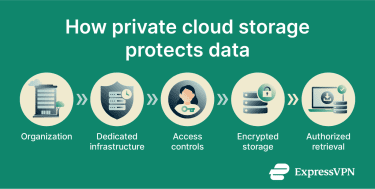
Benefits of private cloud storage
Benefits of private cloud storage include:
- Privacy and control: Dedicated resources reduce exposure to other tenants and support organization-specific security configurations and policies.
- Compliance: Greater control over data location, access, and handling can help meet regulatory, contractual, and audit requirements.
- Performance: Exclusive infrastructure can reduce "noisy neighbor" effects and support more consistent throughput and predictable latency for performance-sensitive workloads.
- Sensitive workloads: Commonly used for mission-critical systems and confidential or regulated data that benefit from isolation from shared, multi-tenant environments.
Use cases for private cloud storage
Because private cloud storage can involve higher cost and more operational responsibility than public cloud (especially when self-managed), it's most commonly used by organizations rather than individual consumers.
Common use cases include:
- Healthcare: Stores and manages protected health information (PHI) while supporting regulatory and audit requirements through organization-defined controls.
- Financial and regulated services: Supports transaction systems and sensitive customer or trading data under strict compliance and governance controls.
- Government and defense: Protects citizen records and sensitive operational data, and supports isolated environments for secure internal systems and testing/training when required.
Security considerations
Private cloud storage often shifts more security responsibility to the organization and/or its managed service provider. Administration typically requires skilled staff to manage virtualization, network architecture, access controls, patching, and monitoring.
Security risk often increases with configuration complexity. Misconfigured permissions, weak encryption, or poor key management can allow unauthorized access or data exposure. Controls also need to be applied consistently across storage, networking, and identity systems.
Physical security is also a factor, especially for on-premises deployments. Secure facilities, surveillance, and environmental protections (power, cooling, fire suppression) are typically needed, and these requirements can increase overall cost.
Private cloud vs. public cloud storage
Private cloud storage uses infrastructure reserved for one organization. It supports greater tenant isolation and deeper customization of security and performance controls, but it usually requires more cost and operational expertise.
Public cloud storage is a shared, multi-tenant service with pay-as-you-go pricing. It enables fast provisioning and scaling, but offers less control and customization of the underlying environment.
Further reading
- Security concerns in cloud computing and how to address them
- IoT cloud security: Threats and best practices
- Zero-trust cloud security explained