Expressvpn Glossary
Digital twin
What is a digital twin?
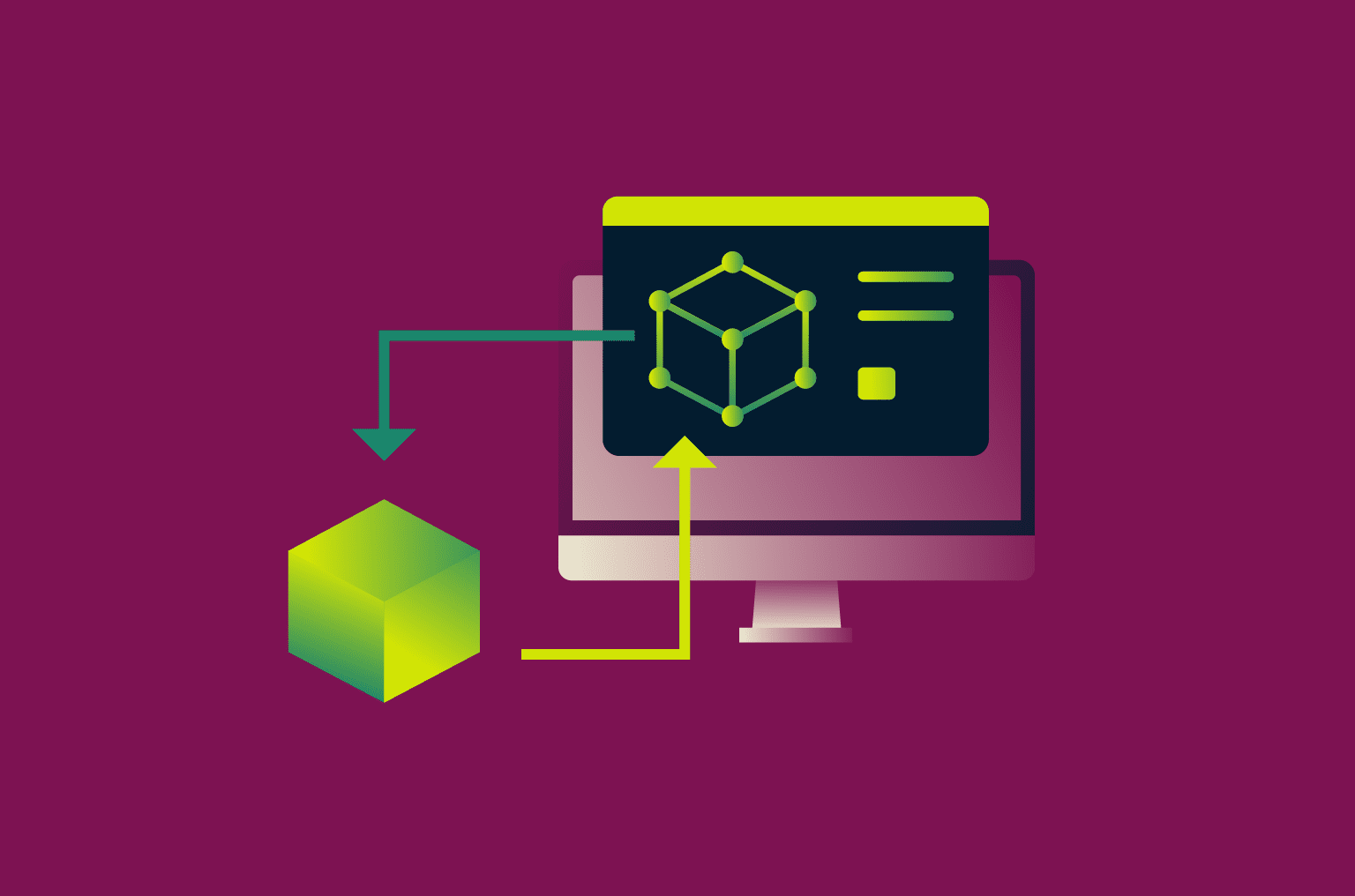
A digital twin is a live virtual replica of a specific physical object, system, or process. Sensors stream operational data to the digital model, creating a real‑time mirror that enables engineers to monitor assets. This data is used to inform decisions, update practices, and improve efficiency.
How does a digital twin work?
- Internet of Things (IoT) sensors: Networks of devices that collect operational data and send it to a digital environment.
- Modeling and analytics software: Simulation tools and predictive algorithms absorb and analyze the sensor data to update the virtual model.
- Real-time monitoring and optimization: Operators observe dashboards and test changes in the twin. This allows them to schedule maintenance or fix errors while minimizing downtime.
Digital twin vs. simulation
Simulations and digital twins are both virtual models of real-world systems, but they fill different roles. A simulation is a static representation used to explore hypothetical scenarios. Unlike digital twins, simulations must typically be manually updated with new information. They’re also more likely to be used during the design process, while digital twins are used indefinitely.
A digital twin is a live model that receives continuous real-time updates from the actual system it is copying. It can still be used to run simulations of how the system might respond to certain scenarios, but a digital twin’s inputs generally come directly from information collected in the real world.
Benefits of using digital twins
- Improved efficiency and maintenance: Real-time monitoring allows personnel to spot anomalies or patterns of wear early. This helps reduce maintenance downtime.
- Risk reduction and savings: Virtual experiments let operators test strategies with less risk and resource cost.
- Innovation and development: Engineers refine designs and test new ideas in the twin. This can reduce development time, though results still need to be validated in real-world environments.
- Data‑driven decisions: Dashboards and analytics give clear insights into available sensor data.
Common use cases
- Smart manufacturing: Digital twin technology mirrors machines or lines to optimize workflows and predict failures.
- Energy and infrastructure: Utility companies monitor grids and turbines to anticipate failures, balance loads, and manage emissions.
- Personalized medicine: Patient‑specific models support accurate diagnosis, real-time analysis, and intelligent treatment planning.
- Aerospace, automotive, and transport: Manufacturers use twins to design and maintain complex systems, including wind turbines, vehicles, and jet engines.
Real-world examples of digital twins
- Industrial platforms: Real-time data from General Electric’s turbines is sent to a digital wind farm, where it is used to maximize output. Similarly, Siemens uses twins to optimize factory operations.
- National Aeronautics and Space Administration (NASA): Though the term didn’t exist, something akin to a digital twin helped diagnose the Apollo 13 oxygen‑tank explosion. Today, all major spacecraft are supported by digital twins.
- Healthcare: Companies such as Philips develop and release medical devices that use digital twins to improve patient outcomes.
- Smart cities: Singapore’s national twin models its city infrastructure and uses it to plan for climate change and other variables.
Further Reading
FAQ
What is the difference between a digital twin and a simulation?
Simulations are static models used during design to test hypothetical scenarios. A digital twin is a live model that uses real‑world sensor data and evolves with a specific asset or system.
How are digital twins connected to IoT?
Internet of Things (IoT) sensors gather real‑time data about performance and the environment; these readings feed the twin and enable predictive analytics.
Which industries benefit the most from digital twins?
Manufacturing, energy, healthcare, aerospace, automotive, transport, and urban planning all use digital twins in various ways. In general, they help companies and organizations optimize development, manage risks, and plan maintenance.
Are digital twins only used in manufacturing?
No, digital twins are also used elsewhere. Although manufacturing was an early adopter, digital twins now span many sectors, including energy, healthcare, aerospace, transportation, and cities.